Overview
In today’s digital world, traditional television is no longer the primary way viewers consume content. The evolution of Internet Protocol Television (IPTV) has transformed entertainment, providing high-quality streaming experiences over the internet. Advanced IPTV technology allows viewers to access live TV, on-demand videos, and interactive services with unprecedented flexibility and personalization.
This article explains advanced IPTV technologies, their components, benefits, challenges, and future trends in detail, helping both consumers and industry professionals understand this rapidly growing field.
1. Understanding Advanced IPTV Technology
1.1 What is IPTV?
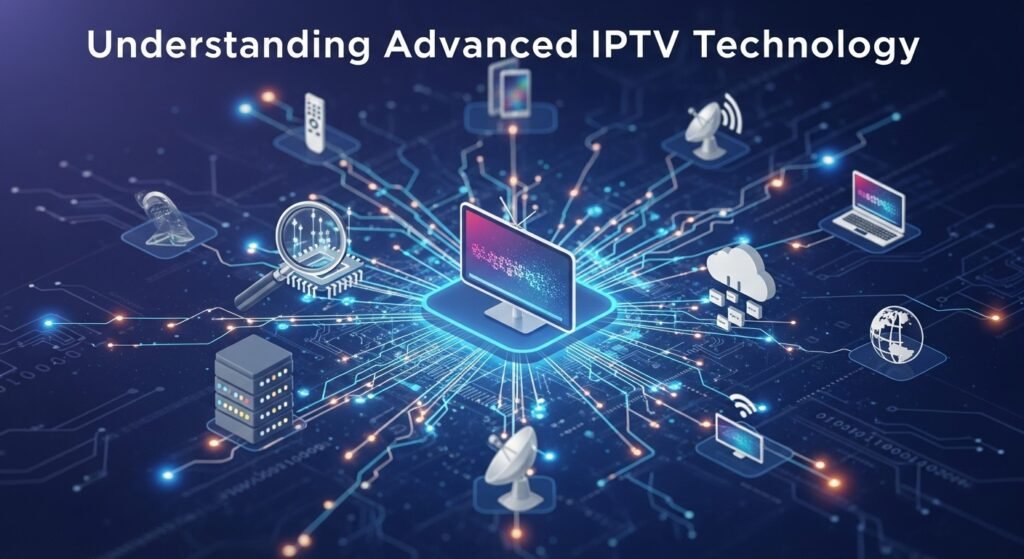
IPTV stands for Internet Protocol Television, a system where television services are delivered via the internet rather than traditional cable or satellite. Unlike conventional broadcast methods, IPTV uses IP-based networks to stream video, audio, and data efficiently.
Advanced IPTV goes beyond basic streaming, offering:
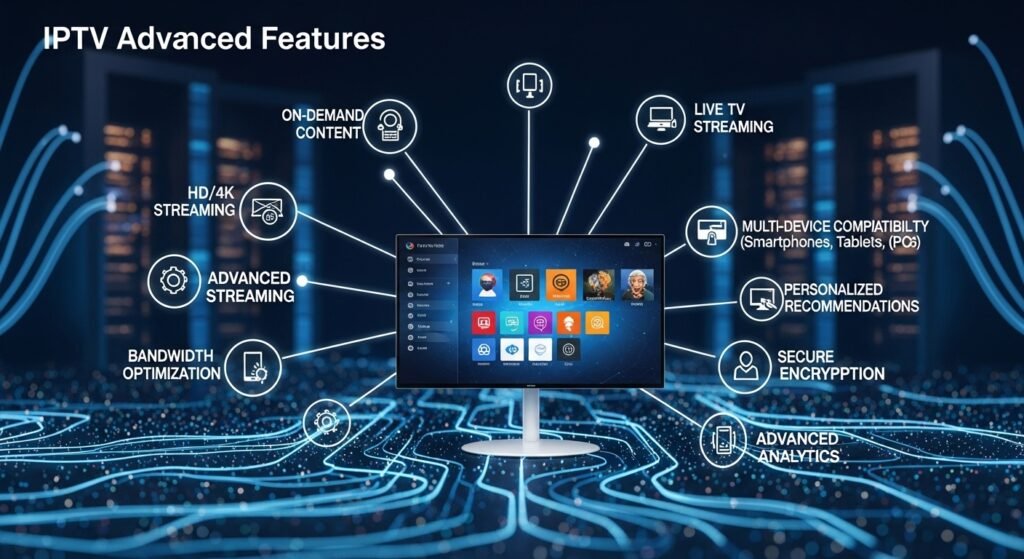
- High-definition (HD) and 4K content
- VOD (video-on-demand) platforms
- Time-shifted DVR and TV features
- Compatibility across several devices
- Interactive features like voting, gaming, and analytics
1.2 How Advanced IPTV Works
IPTV relies on sophisticated digital infrastructure to deliver content. The primary elements consist of:
- Content Delivery Networks (CDN) – Distribute content globally to reduce latency and buffering.
- IPTV Middleware – Manages channels, subscriptions, and user interfaces.
- Streaming Protocols – Technologies like HLS, MPEG-DASH, and RTSP ensure smooth streaming.
- End-user Devices: IPTV streams are decoded for display on computers, tablets, smartphones, smart TVs, and set-top boxes.
Advanced IPTV platforms optimize data compression, error correction, and adaptive bitrate streaming to provide consistent performance even on variable network speeds.
2. The Fundamental Technologies of IPTV
2.1 Standards for Video Compression
Efficient video compression is essential for high-quality streaming over the internet. Typical criteria consist of:
- A popular format for HD streaming is H.264/AVC.
- H.265/HEVC – Supports 4K and ultra-HD with lower bandwidth requirements.
- VP9 and AV1 are open-source codecs with excellent streaming efficiency.
These codecs ensure minimal buffering while maintaining high visual quality, crucial for modern IPTV services.
2.2 Protocols for Streaming
IPTV relies on various streaming protocols to deliver content reliably:
- HTTP Live Streaming (HLS) – Widely used for adaptive streaming on multiple devices.
- MPEG-DASH – Offers dynamic adaptive streaming over HTTP.
- RTSP (Real-Time Streaming Protocol) – Supports real-time media delivery with minimal delay.
Advanced IPTV systems often combine multiple protocols to optimize performance across different networks and devices.
2.3 Content Delivery Networks (CDN)
CDNs play a critical role in distributing IPTV content efficiently. They cache data across global servers, reducing latency and improving reliability. Advanced CDNs can dynamically balance traffic, ensuring uninterrupted streaming even during peak hours.
2.4 Middleware and User Interface
IPTV middleware is the brain of the system, managing:
- Channel guides
- User verification
- Management of subscriptions
- Analytics and billing
- Interactive elements
Modern middleware supports personalized recommendations, multi-screen viewing, and AI-driven content suggestions.
3. Advanced Features of IPTV Technology
3.1 Streaming Live TV
Live IPTV enables real-time broadcasts of news, sports, and entertainment channels. Among the advanced features are:
- Pause, rewind, and fast-forward live content
- Subtitles and several audio tracks
- Interactive overlays for sports stats or advertisements
3.2 Video-on-Demand (VOD)
VOD allows users to access movies, series, and premium content anytime. Advanced IPTV platforms integrate recommendation engines powered by AI to suggest content based on viewing history.
3.3 Time-Shifted TV and Cloud DVR
Time-shifted TV lets viewers watch content after the original broadcast. Cloud-based DVRs store recorded shows online, enabling access from multiple devices without requiring local storage.
3.4 Multi-Screen and Multi-Device Support
Modern IPTV systems allow simultaneous streaming across multiple devices, making it perfect for households with multiple viewers. Features include:
- Synchronization of devices
- Personalized profiles
- Cross-device resume of playback
3.5 Interactive TV Services
Advanced IPTV USA technology supports interactive experiences like:
- Voting and polls during live performances
- Gaming overlays on live content
- Integrations for real-time shopping
- Social media interaction and sharing
4. Benefits of Advanced IPTV Technology
4.1 Enhanced Viewing Quality
High-definition and 4K streaming, coupled with adaptive bitrate technology, provide crisp visuals without buffering interruptions.
4.2 Cost-Effective Streaming
IPTV eliminates the need for expensive satellite or cable subscriptions. Users can choose flexible subscription plans according to their needs.
4.3 Customized User Experience
AI and machine learning allow IPTV platforms to offer:
- Recommendations for tailored content
- Personalized playlists
- Viewing history tracking for smarter suggestions
4.4 Accessibility and Flexibility
IPTV can be accessed anywhere with a reliable internet connection, supporting mobile, smart TV, and desktop viewing.
5. Security in Advanced IPTV Systems
5.1 Encryption and DRM
To prevent piracy and unauthorized access, IPTV platforms use:
- AES encryption for streaming content
- Digital Rights Management (DRM) systems to control content usage
- Secure login and subscription verification
5.2 Anti-Piracy Measures
Advanced IPTV systems monitor content streams for unauthorized access and implement geo-blocking, watermarking, and user activity tracking to protect intellectual property.
5.3 Data Privacy and Compliance
IPTV providers ensure compliance with global data protection laws, safeguarding user data during subscriptions, analytics, and interactive services.
6. Challenges in IPTV Technology
- Internet Dependence – High-quality streaming requires stable, high-speed connections.
- Latency and Buffering – Delays may occur in poorly optimized networks.
- Bandwidth Management – HD and 4K streams consume significant bandwidth, potentially affecting other devices.
- Device Compatibility – Ensuring smooth performance across multiple platforms can be complex.
7. The Future of Advanced IPTV Technology
7.1 Integration of 5G
With 5G networks, IPTV will deliver ultra-low latency, higher bandwidth, and smoother mobile streaming experiences.
7.2 Machine Learning and Artificial Intelligence
AI will power personalized content recommendations, predictive analytics, and enhanced user interfaces.
7.3 Cloud-Based IPTV
Cloud infrastructures will allow scalable storage, streaming, and multi-device accessibility without relying on physical set-top boxes.
7.4 Virtual Reality (VR) and Augmented Reality (AR) Streaming
Future IPTV may integrate immersive VR/AR experiences for interactive sports, concerts, and gaming content.
7.5 Blockchain for Content Security
Blockchain technology could enhance content security, transparent billing, and anti-piracy enforcement in IPTV ecosystems.
8. How to Choose an Advanced IPTV Provider
- Reliability and Uptime – Ensure high-performance servers and minimal downtime.
- Comprehensive Content Library – Access to live channels, VOD, and interactive features.
- Device Support – Compatibility with smart TVs, mobiles, desktops, and streaming devices.
- Subscription Plans – Flexible pricing tailored to individual needs.
- Customer Support – Efficient technical assistance and troubleshooting.
In conclusion
Advanced IPTV technology has revolutionized how content is delivered and consumed. With high-definition streaming, interactive services, multi-device support, and cloud integration, IPTV provides a modern alternative to traditional broadcasting.
As technology continues to evolve with AI, 5G, VR, and blockchain, IPTV will further enhance personalized viewing experiences, making it an essential part of the digital entertainment landscape. Consumers and businesses alike can leverage these advanced features to enjoy seamless, high-quality, and interactive television experiences anytime, anywhere.
Frequently Asked Questions (FAQs)
1. What is IPTV?
IPTV (Internet Protocol Television) is a digital television service that delivers live and on-demand content over internet networks instead of traditional cable or satellite connections.
2. How is IPTV different from traditional TV?
Unlike cable or satellite TV, IPTV uses the internet for content delivery, allowing features like on-demand viewing, time-shifted TV, multi-device access, and interactive experiences.
3. What devices support IPTV?
IPTV works on multiple devices, including:
- Smart TVs
- Tablets and smartphones
- Computers and laptops
- Roku, Fire TV, and Apple TV are examples of streaming devices.
- Boxes with a set top
4. Can I use IPTV to watch live TV?
Yes, live TV streaming is a core feature of IPTV. Many platforms also allow pausing, rewinding, or time-shifting live broadcasts for added flexibility.
5. What is Video-on-Demand (VOD) in IPTV?
VOD lets users watch movies, TV shows, and other content anytime, instead of waiting for scheduled broadcasts.
6. Do I need a fast internet connection for IPTV?
Yes, a stable high-speed internet connection is essential. HD streaming typically requires at least 5 Mbps, while 4K streaming may need 15–25 Mbps.
7. How secure is IPTV streaming?
Advanced IPTV platforms use encryption (AES), Digital Rights Management (DRM), and secure login protocols to protect content and prevent unauthorized access.
8. Can I use IPTV on multiple devices at the same time?
Yes, modern IPTV services support multi-screen and multi-device access, enabling simultaneous streaming on several devices.
9. Is IPTV permitted?
It is legal to use IPTV providers with a license. Avoid unlicensed or pirated IPTV services, as they may result in legal consequences.
10. Can I record shows with IPTV?
Yes, many IPTV services include DVR or cloud recording features that allow you to save and watch content later.
11. What are the advantages of advanced IPTV technology?
- High-quality HD and 4K streaming
- Flexible subscription plans
- Recommendations for tailored content
- Multi-device and interactive features
- Time-shifted TV with cloud DVR
12. What are the challenges of IPTV?
- reliance on internet speed
- Bandwidth consumption for HD/4K streams
- Possible buffering or latency on sluggish networks
- Ensuring device compatibility across platforms
13. How do IPTV platforms ensure smooth streaming?
By using adaptive bitrate streaming, advanced compression codecs (H.265/HEVC, AV1), Content Delivery Networks (CDN), and optimized middleware, IPTV platforms maintain uninterrupted performance.
14. What is the future of IPTV?
IPTV’s future encompasses:
- 5G-powered ultra-low latency streaming
- AI-powered suggestions and personalization
- Cloud-based DVR and storage
- VR/AR interactive experiences
- Blockchain for content security
15. How do I choose the best IPTV provider?
Think about:
- Reliable servers with minimal downtime
- Large VOD and channel libraries
- Multi-device compatibility
- Flexible subscription plans
- Responsive customer support