In today’s digital age, traditional television is rapidly evolving. Audiences no longer want to wait for scheduled programming or tolerate poor-quality streams. Enter Next-Generation IPTV (Internet Protocol Television) – a technology that promises faster, smarter, and more reliable streaming experiences. This revolution in content delivery is reshaping how we consume live TV, movies, sports, and interactive entertainment.
This comprehensive guide explores next-generation IPTV technology, its features, advantages, technological innovations, devices, and why it is the future of television.
What is Next-Generation IPTV?
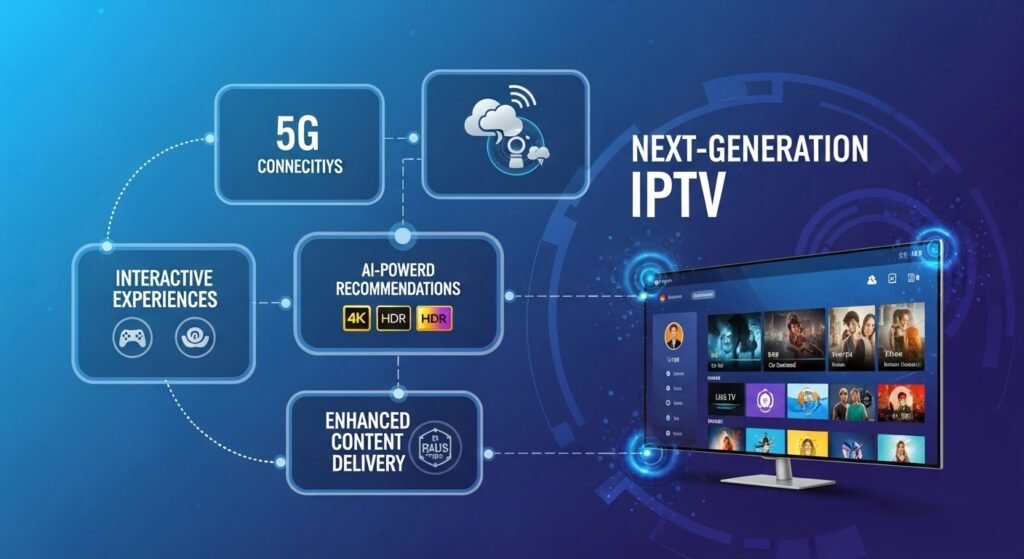
IPTV (Internet Protocol Television) delivers television content over the internet rather than via traditional cable or satellite systems.
Next-generation IPTV goes further by integrating:
- High-speed streaming with minimal buffering
- Smart technology such as AI-driven recommendations
- Advanced content delivery networks for global access
- Interactive features for enhanced viewer engagement
This approach ensures viewers enjoy content anytime, anywhere, and on any device, making it a preferred choice over conventional TV.
The Evolution of IPTV Technology Next-Generation IPTV Technology
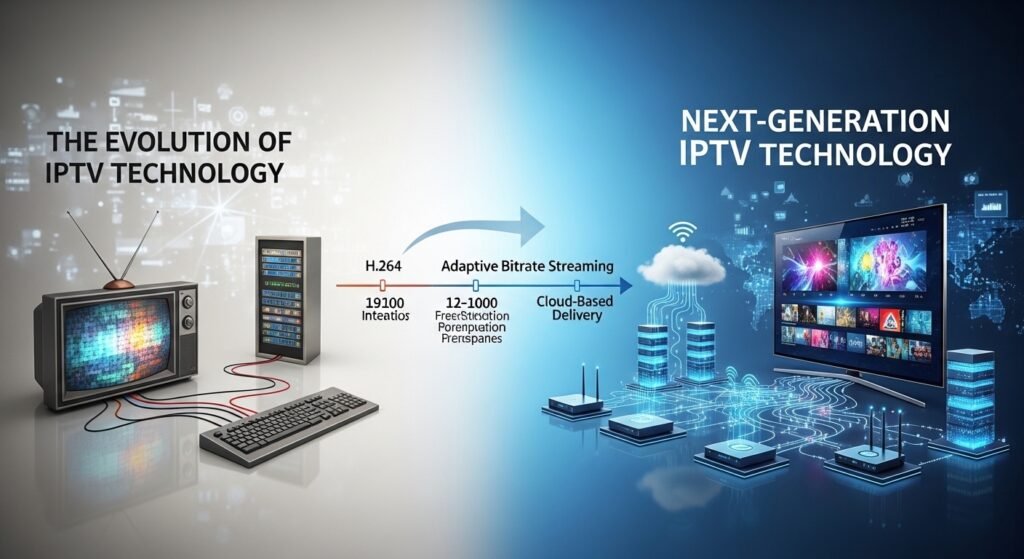
1. Traditional IPTV
Traditional IPTV began as a simple way to stream television over broadband. Users could watch live channels or on-demand content, but early systems had challenges such as:
- High latency
- Limited device support
- Occasional buffering and low-quality streams
2. Advanced IPTV Systems
Modern IPTV systems have introduced:
- Adaptive bitrate streaming for uninterrupted playback
- High-definition (HD) and 4K content
- Enhanced interactivity, including live chat and polls
3. Next-Generation IPTV
Next-generation IPTV combines low latency, AI, cloud computing, and advanced CDNs to provide an unmatched experience. It is faster, smarter, and offers features beyond traditional streaming, including:
- Ultra-low latency for live sports
- Real-time content personalization
- Multi-screen and multi-device support
- Integration with smart home devices
Key Features of Next-Generation IPTV
1. Low Latency Streaming
Latency refers to the delay between the live event and what the viewer sees on the screen. Next-generation IPTV reduces latency to 1–5 seconds, making it ideal for:
- Live sports
- News broadcasts
- Interactive shows
- Real-time online events
This ensures viewers experience content almost as if they were present in the venue.
2. High-Quality Video and Audio
Next-generation IPTV supports:
- HD, Full HD, 4K, and even 8K streams
- Advanced audio technologies, such as Dolby Digital
- Smooth frame rates for sports and action scenes
High-quality content combined with low latency creates a premium viewing experience.
3. Multi-Device Support
Viewers can access content on:
- Smart TVs (LG, Samsung, Sony, Android)
- Streaming devices (Apple TV, Roku, Fire Stick)
- Smartphones and tablets
- Computers and laptops
This flexibility ensures viewers are not limited to a single device.
4. Interactive Features
Next-generation IPTV USA allows users to engage with content through:
- Live polls and voting
- Real-time chat with other viewers
- Interactive advertising
- Personalized recommendations
These features increase viewer engagement and satisfaction.
5. AI-Powered Personalization
Artificial intelligence is at the core of next-generation IPTV, helping providers deliver:
- Tailored content suggestions based on viewing habits
- Predictive buffering to prevent interruptions
- Dynamic advertising tailored to individual viewers
AI ensures users discover content quickly and enjoy a seamless streaming experience.
6. Advanced Content Delivery Networks (CDNs)
Next-generation IPTV United State relies on globally distributed CDNs to deliver content quickly and reliably. Benefits include:
- Reduced buffering
- Faster access to high-demand content
- Seamless international streaming
CDNs are crucial for delivering live events to audiences worldwide.
How Next-Generation IPTV Delivers Faster Streaming
1. Optimized Streaming Protocols
Protocols like LL-HLS, MPEG-DASH, and WebRTC are optimized to minimize latency while maintaining quality.
- LL-HLS: Smaller video segments for faster delivery
- MPEG-DASH: Adaptive bitrate streaming based on internet speed
- WebRTC: Near real-time delivery for interactive streaming
2. Efficient Video Compression
Advanced codecs like H.265/HEVC and AV1 reduce file sizes while maintaining high quality, enabling faster streaming even on limited bandwidth.
3. Smart Buffer Management
Next-generation IPTV uses predictive buffering:
- Adjusts buffer size in real time based on network conditions
- Minimizes interruptions
- Ensures smooth, continuous playback
Low Latency and Real-Time Entertainment
Next-generation IPTV is particularly transformative for:
1. Live Sports
- Near-instant action for football, cricket, basketball, and tennis
- Accurate live betting experiences
- Synchronization with social media and interactive features
2. News and Breaking Events
- Immediate delivery of breaking news
- Real-time access to global events
- Minimizes the delay compared to traditional news channels
3. Online Concerts and eSports
- Concerts feel immersive with minimal lag
- eSports viewers get real-time match updates
- Interactive features enhance engagement and social interaction
Devices Compatible with Next-Generation IPTV
Smart TVs
- LG, Samsung, Sony, Android TVs support apps for IPTV
- Native support for 4K and HDR content
Streaming Devices
- Amazon Fire Stick
- Apple TV
- Roku
- Nvidia Shield
Mobile Devices
- iOS and Android devices
- Tablets with dedicated IPTV apps
Computers
- Web-based IPTV players
- Dedicated IPTV software for Windows and Mac
Internet Requirements
For optimal streaming, next-generation IPTV requires:
- SD streaming: 5 Mbps
- HD streaming: 15 Mbps
- 4K streaming: 25–30 Mbps
- Stable connections to maintain ultra-low latency
Wired connections or high-speed 5G networks are ideal for uninterrupted streaming.
Advantages of Next-Generation IPTV
- Speed: Instant streaming with minimal buffering
- Quality: HD, 4K, and even 8K support
- Flexibility: Watch on multiple devices anytime
- Engagement: Interactive features for viewers
- Personalization: AI-driven recommendations
- Global Access: Reliable delivery via CDNs
- Future-Ready: Compatible with emerging technologies like VR and AR
Challenges of Next-Generation IPTV
- Network instability: High-speed internet is required
- Device limitations: Older devices may not support advanced protocols
- Provider reliability: Not all IPTV providers deliver true next-generation services
- Cost: Advanced services may come at higher subscription prices
The Future of Next-Generation IPTV
The future promises:
- 5G Integration: Ultra-fast, low-latency streaming on mobile
- Cloud IPTV: Scalable, global content delivery
- AI and Machine Learning: Smarter personalization and predictive buffering
- Virtual and Augmented Reality: Immersive live events requiring minimal latency
Next-generation IPTV is not just about watching TV—it’s about experiencing entertainment in real time.
Conclusion
Next-generation IPTV represents a significant leap in how we consume television and live content. By integrating speed, smart technology, low latency, AI personalization, and multi-device support, it offers a premium streaming experience.
Whether you are watching sports, news, concerts, or interactive shows, next-generation IPTV ensures faster, smarter, and better streaming than ever before.
As technology continues to evolve, it is clear that next-generation IPTV is the future of digital entertainment, providing a seamless, engaging, and real-time experience for audiences worldwide.
FAQs: Next-Generation IPTV Technology
1. What is next-generation IPTV?
Next-generation IPTV is an advanced form of Internet Protocol Television that offers faster, smarter, and more interactive streaming. It combines low latency, AI-driven recommendations, multi-device support, and high-quality video to provide an enhanced viewing experience.
2. How is it different from traditional IPTV?
Unlike traditional IPTV, next-generation IPTV provides:
- Ultra-low latency for near real-time streaming
- High-quality video (HD, 4K, 8K)
- AI-powered personalization
- Interactive features like live voting, polls, and chats
- Global content delivery through optimized CDNs
3. Why is low latency important in next-generation IPTV?
Low latency ensures minimal delay between the live event and what viewers see on their screens. This is crucial for:
- Live sports
- News and breaking events
- Online gaming and eSports
- Interactive TV shows
4. What devices support next-generation IPTV?
It works on almost all modern devices:
- Smart TVs (Samsung, LG, Sony, Android TVs)
- Streaming devices (Apple TV, Fire Stick, Roku)
- Mobile devices (iOS and Android phones/tablets)
- Computers (Windows and Mac with IPTV apps or browsers)
5. What internet speed is required?
Recommended speeds for optimal streaming:
- SD streaming: 5 Mbps
- HD streaming: 15 Mbps
- 4K streaming: 25–30 Mbps
A stable connection is essential for low-latency, uninterrupted viewing.
6. How does AI enhance IPTV?
AI in next-generation IPTV helps with:
- Personalized content recommendations
- Predictive buffering for smooth playback
- Targeted advertising based on viewing habits
- Smart interface adjustments for user preferences
7. Can next-generation IPTV be used for live sports?
Yes, it is ideal for sports because it delivers real-time action with minimal delay, allowing viewers to experience games almost simultaneously with the stadium experience.
8. Does next-generation IPTV support 4K or 8K streaming?
Yes, it supports HD, 4K, and even 8K video streams, often combined with advanced audio technologies for a premium viewing experience.
9. What are the interactive features of next-generation IPTV?
Interactive features include:
- Live polls and voting
- Real-time chats and comments
- Interactive advertisements
- Multi-screen and multi-angle viewing
These features make viewing more engaging and social.
10. How does next-generation IPTV deliver content globally?
It uses Content Delivery Networks (CDNs), which are networks of servers distributed worldwide. CDNs ensure fast, reliable, and smooth streaming for viewers anywhere.
11. Is next-generation IPTV suitable for mobile streaming?
Yes. With 4G and 5G networks, viewers can enjoy fast, low-latency streaming on mobile devices, making it ideal for on-the-go entertainment.
12. Are there any challenges with next-generation IPTV?
Some challenges include:
- Dependence on a stable internet connection
- Older devices may not support advanced protocols
- Choosing a reliable provider is essential
- Higher subscription costs for premium features
13. How does next-generation IPTV handle buffering?
It uses adaptive bitrate streaming and smart buffer management, which dynamically adjusts video quality and buffering size to ensure smooth playback with minimal delays.
14. What is the future of next-generation IPTV?
The future includes:
- Integration with 5G networks for ultra-fast streaming
- AI-driven content discovery
- Cloud-based IPTV subscription for global scalability
- Immersive AR/VR experiences for sports and entertainment
15. Why should I switch to next-generation IPTV?
Switching provides:
- Faster and smoother streaming
- Personalized recommendations
- Real-time access to live events
- Multi-device flexibility
- Interactive and engaging entertainment
Next-generation IPTV is designed to replace traditional TV and offer the ultimate viewing experience.